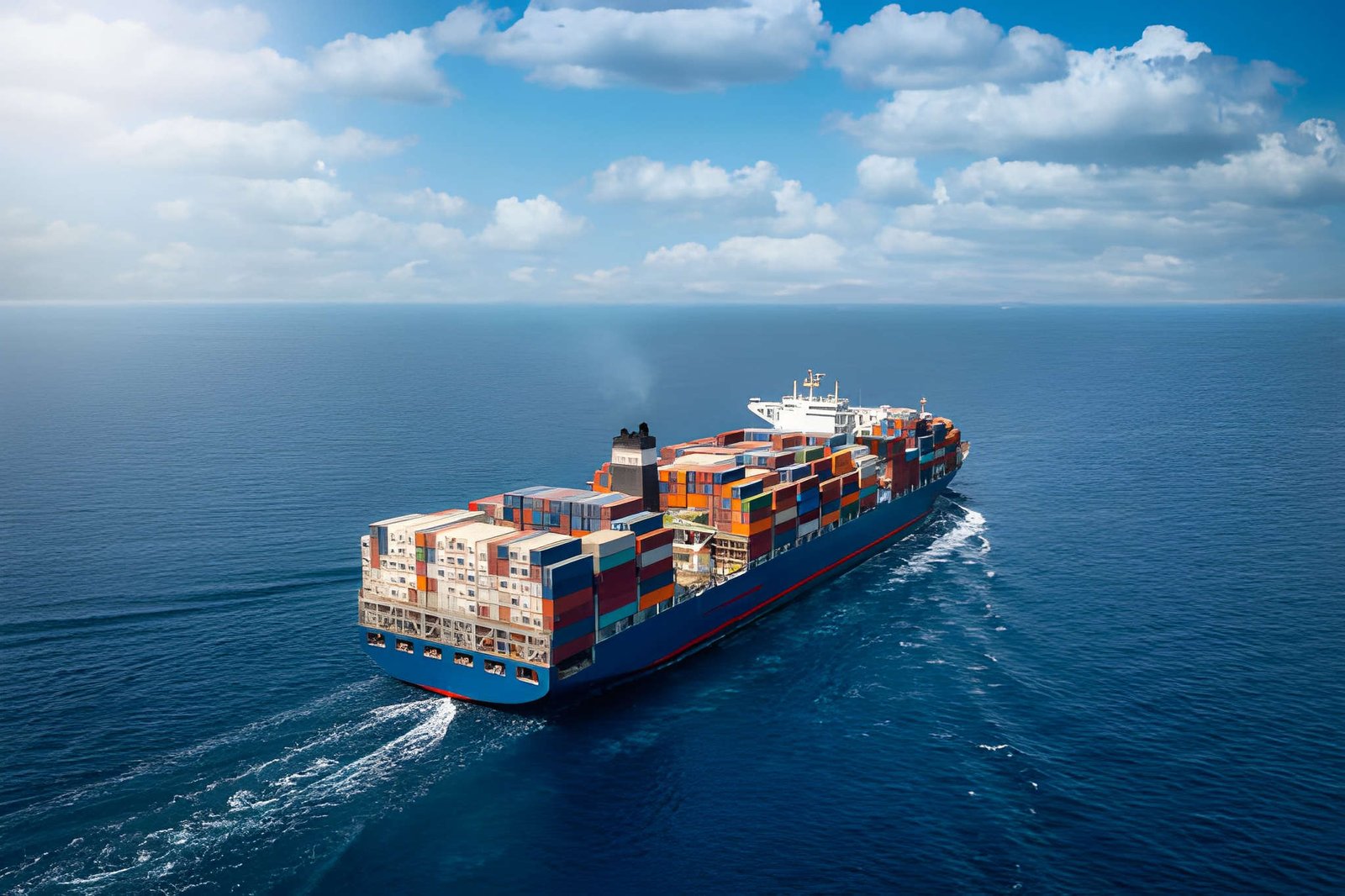
The European heatwave has pushed up the demand for air conditioning, and China's exports have also surged. When the goods arrived in Europe, port shutdowns due to high temperatures, strikes and disputes, and insufficient railway port replacement capacity were all blocked. The supply chain pressure shifted from the Chinese departure end to the European entrance.
Heat wave with fire air conditioning outlet
The summer temperatures in many European countries have exceeded 40 degrees Celsius, leading to a rapid increase in demand for cooling appliances. According to Chinese customs data, China's exports to the European Union in June increased by 18.5% year-on-year, more than double the growth rate of the previous month.
Air conditioning is the most intuitive and popular product. In the first half of this year, China's air conditioning exports to the European Union increased by 43.2% year-on-year, reaching a record high of 3.76 billion US dollars. The total export value of "cooling appliances" including air conditioners, fans, and refrigerators reached 107.91 billion yuan.
Turn the checkpoint to the entrance of Europe
After the volume of goods increased, the congestion also changed. Freight forwarder Jiang Ande said that in the past, congestion was more common at Chinese departure ports, but now the pressure has shifted to European entry ports.
Rotterdam Port is the largest port in Europe, and in late June, terminal operations were suspended multiple times due to high temperatures. The operator mentioned equipment overheating and worker safety issues, and Maersk also confirmed that the heatwave caused temporary shutdowns and efficiency losses.
Antwerp is the second largest container port in Europe, and pilot disputes have left dozens of ships waiting in the North Sea, further exacerbating regional congestion.
Shipping is too slow, and railways are also tight
For products that meet summer demand, time is a problem. A Chinese researcher who was planning to move to Germany originally intended to ship air conditioners by sea, but the freight forwarder gave a shipping time of 40 to 55 days from China to Europe. He eventually gave up because the goods may be almost finished by summer.
Midea also stated that railways have become one of the important modes of transportation for portable split air conditioners. Sea freight usually takes 40 to 50 days, railway takes about 15 to 24 days, and relay trucks can deliver from Wuhu to France in about 22 days at the fastest.
Railway bottlenecks are also very realistic
The railway looks faster, but it's not easy. Since the middle of June, about 2000 air conditioners have been sent to Europe every day at Khorgos Port, with a peak of 5000.
The problem is that there is too little return cargo. Jet Young, a freight forwarder, said that in the first half of this year, out of every 8 fully loaded trains from China to Europe, only 1 return train could still be loaded, while the rest mostly returned empty. This has caused difficulties in the allocation of carriages and containers, increased cross-border operating costs, and long-term congestion in key hubs such as Malaszewicz in Poland.
It's not just the air conditioning that's fighting for passage
Hao Panfeng, Secretary General of the China Container Industry Association, believes that about half of the congestion comes from the surge in cargo volume, and the other half comes from infrastructure bottlenecks, such as limited capacity for Malashevich container changing and high pressure on border inspections.
Air conditioning, electric vehicles, and e-commerce packages are all competing for railway transportation capacity. Although railway operators often provide a full delivery time of 15 to 20 days, customers usually have to arrange for 30 days or even longer.
Conclusion
This round of pressure on European ports appears to be a surge in air conditioning sales during the heat wave, but behind it lies a mismatch between Chinese manufacturing exports, European consumer demand, and local logistics carrying capacity. There will be Christmas stocking in the next three quarters, and the volume of goods is likely to remain high. For Europe, the real test is not just whether to buy Chinese goods, but whether ports, railways, and ports can withstand the continuous influx of Chinese goods.